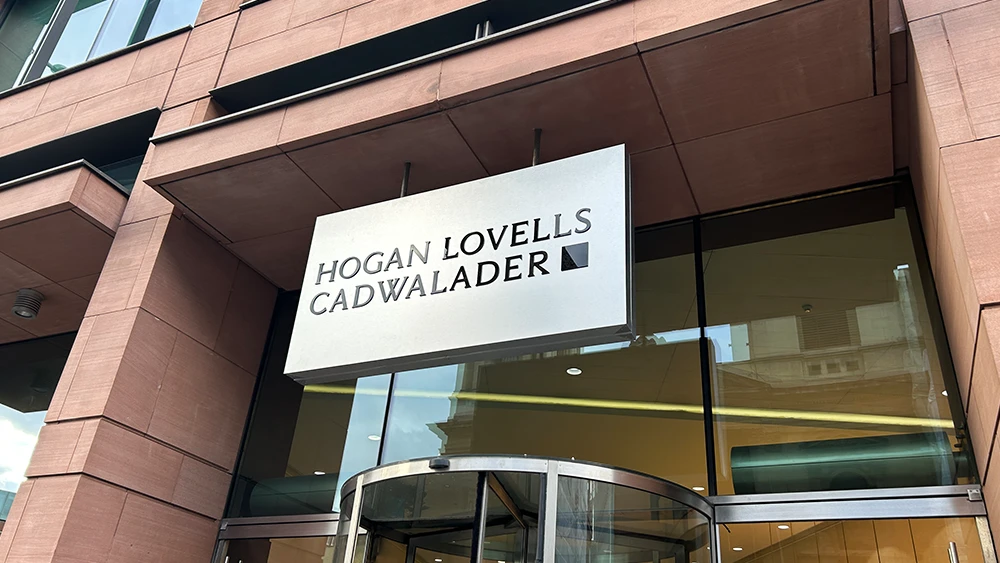
Ex-Reed Smith lawyer struck off after lying about cancer diagnosis
The SDT has struck off a former Reed Smith associate after finding he repeatedly lied to the firm about having cancer and submitted a forged medical report.
The tribunal rejected claims of exceptional circumstances, ruling his sustained dishonesty left no alternative to strike-off.
A former Reed Smith associate has been struck off after the Solicitors Disciplinary Tribunal found he dishonestly claimed to have cancer and submitted a falsified medical report to the firm.
At a hearing in December, the tribunal found that Soham Panchamiya, a lawyer based in the firm’s Dubai office who was admitted to the roll in 2017, repeatedly misled colleagues and HR between September and November 2023.
He initially requested a week of annual leave while claiming he had been diagnosed with cancer, subsequently told the firm he was undergoing chemotherapy and later that treatment had stopped.
He provided detailed accounts of his supposed condition, including claims that he had a rare type of spinal cancer.
When Reed Smith asked for medical evidence to meet its employment law obligations, Panchamiya produced a letter purportedly from an oncologist. The firm identified inconsistencies in the document and contacted the named doctor directly.
The doctor confirmed he had assessed Panchamiya once for the purposes of a fitness report, but said all test results were negative and there was no indication of any disease. He told the firm that if a report existed, it must have been a forgery.
Panchamiya later admitted during an internal meeting that he had made a "big mistake" and he would attend a doctor’s appointment of the firm’s choice. The firm suspended him after the meeting.
Dishonesty and sanction
Before the tribunal, Panchamiya admitted the allegations that he falsely claimed to have been diagnosed with cancer and that he supplied a falsified medical report, including that his conduct was dishonest.
The case then turned on sanction. Panchamiya argued that exceptional circumstances applied, relying on psychiatric evidence which said his actions occurred against a backdrop of emotional grief and mental health difficulties. He submitted that striking him off would be disproportionate.
The tribunal rejected that argument. While the tribunal said it was sympathetic to Panchamiya’s personal circumstances, it concluded they did not explain or excuse the conduct, nor did they amount to exceptional circumstances.
The tribunal said the only appropriate and proportionate sanction was strike-off. Panchamiya was also ordered to pay £22,000 in costs.
Join 10,000+ City law professionals who start their day with our newsletter.
The essential read for commercially aware lawyers.