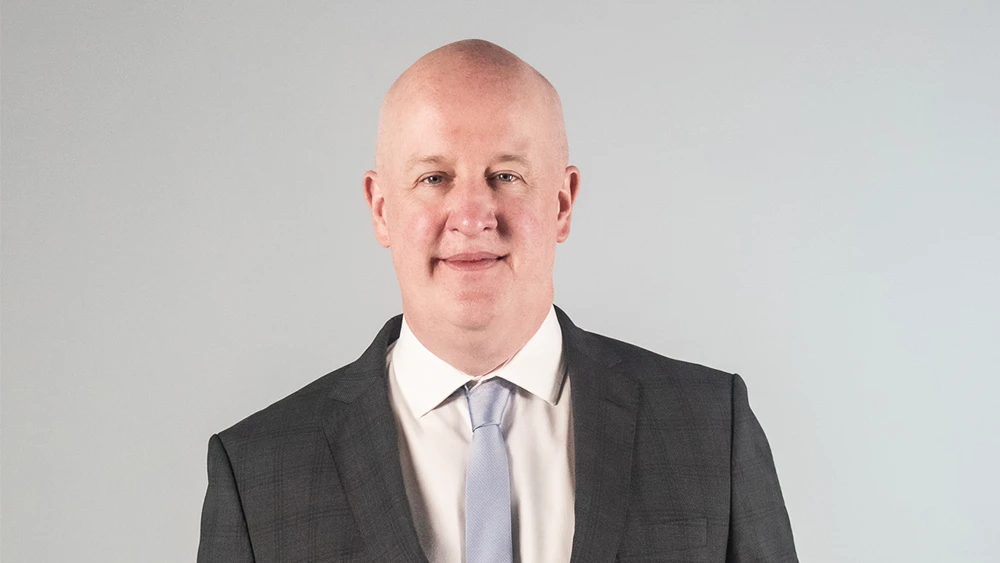
Simpson Thacher lands Kirkland restructuring star in US power play
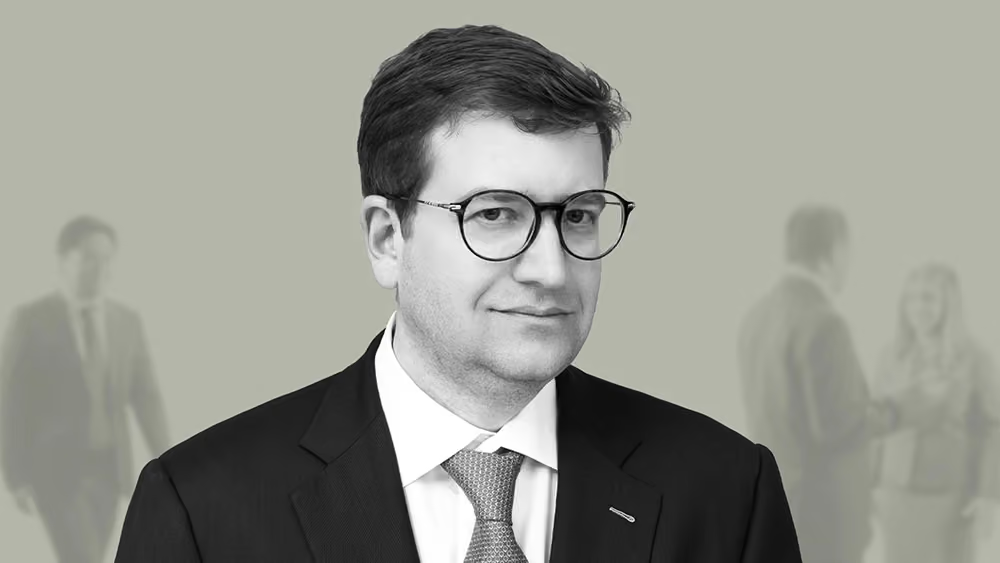
Simpson Thacher has hired David Nemecek, one of the top restructuring lawyers in the US and longtime Kirkland & Ellis partner.
The move positions the firm more deeply in a lucrative part of the US debt market long dominated by Kirkland.
In a move right at the top of the high-stakes US restructuring market, Simpson Thacher has hired one of Kirkland’s top partners to head its newly created capital structure solutions practice.
David Nemecek is considered the architect of modern liability management exercises (LMEs) - creative out-of-court restructurings that have become an important revenue stream for elite firms and redefined how private equity sponsors manage stressed portfolio companies.
The move positions Simpson Thacher more deeply in a lucrative part of the US debt market, long dominated by Kirkland. As part of the move, the firm said it plans to open a Dallas office, its 15th globally and eighth in the US.
Nemecek spent 15 years at Kirkland and previously held roles at Skadden, Gibson Dunn and Cravath.
A strategic move
For Simpson Thacher, the hire marks a concerted push into liability management. It is also a coup for a firm with a top-tier private equity practice but less of a track record in headline bankruptcy mandates compared with private capital-heavy rivals.
“Dave is widely regarded as the preeminent architect of modern liability management and is one of the most influential advisers to distressed companies of his generation,” said Alden Millard, chair of Simpson Thacher’s executive committee.
Alexandra Kaplan and Brian Steinhardt, co-heads of the firm’s banking and credit practice, added: “We are making a long-term investment to build a destination Capital Structure Solutions Practice under Dave’s leadership, enhancing our capabilities to deliver the most sophisticated, innovative and solutions-oriented advice in the market.”
The rise of LMEs
LMEs are designed to help stressed borrowers manage debt without filing for bankruptcy. Often used by private equity-backed companies, they rely on flexibility in loan documents to amend key covenants, reallocate security and extend loan maturities.
For firms like Kirkland, which has long dominated sponsor-side restructuring, LMEs require a combination of private equity expertise and deep restructuring and disputes know-how.
But LMEs have also created friction among private capital firms. Aggrieved lenders have challenged the deals in New York courts, arguing breaches of creditor protections. As private equity firms have built large private credit arms, sponsors and creditors are often part of the same ecosystem, creating conflict risks for law firms with large private capital client rosters.
Client friction
That tension surfaced recently in relation to Kirkland client Optimum Communications (formerly known as Altice). In November, the telecoms company brought an antitrust claim against creditors including Apollo, Ares and Oaktree, alleging they had formed an “illegal cartel” in debt negotiations - reportedly the first competition claim of its kind in a distressed debt context.
Kirkland did not bring the lawsuit, but stepped down in January as Optimum’s transaction counsel, reportedly after pressure from major private capital clients who were aggrieved by the claim and associated the firm with it, according to The Wall Street Journal.
The episode left Nemecek’s position in “limbo”, the Financial Times reported, with one source saying firms like Kirkland “can’t be in a position where they are perceived to be suing their own clients.”
Join 10,000+ City law professionals who start their day with our newsletter.
The essential read for commercially aware lawyers.