City lawyer raises £1.5m for 'death to disputes' AI startup
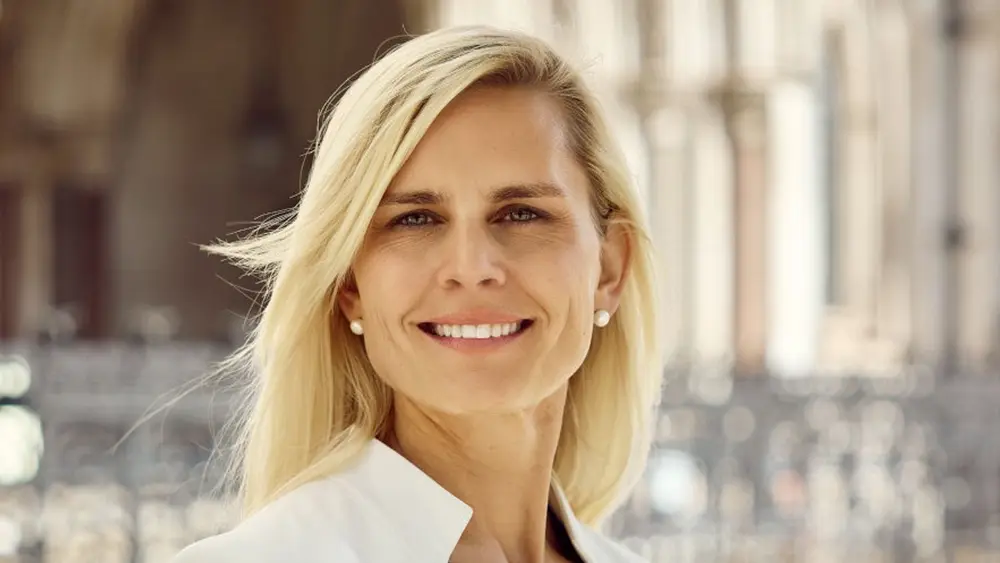
Aavalynx, founded by former Big Law lawyer Hanna Roos, has raised £1.5 million in a pre-seed round led by Omega Ventures.
The company says its AI platform helps enterprises forecast dispute exposure and make better strategic decisions about litigation.
Former Freshfields, Latham and Quinn Emanuel disputes lawyer Hanna Roos has raised £1.5 million in pre-seed funding for Aavalynx, an AI platform designed to help companies manage litigation risk.
The London-based startup develops software that enables corporate legal teams to analyse dispute portfolios, forecast potential outcomes and make strategic decisions using structured litigation data.
Roos spent almost two decades handling international disputes ranging from human rights claims to fine art fraud before launching the business in 2023.
The funding round was led by Omega Ventures, with participation from US venture fund Two Ravens and a group of angel investors that includes law firm partners.
The fresh capital will be used to accelerate product development and expand the team.
‘Death to disputes’
While much of the current legal AI market has focused on helping lawyers work more efficiently, Aavalynx is targeting the financial impact of disputes with the mission to bring “death to disputes”.
The company says its platform enables businesses to understand their litigation exposure in real time by combining legal, financial and commercial data, allowing them to intervene earlier in disputes and better control legal spend.
The company's pitch reflects a broader shift in how businesses view disputes. Corporate legal departments are increasingly managing disputes as financial assets and liabilities amid rising outside counsel fees and tighter budgets, according to a recent report by litigation funder Burford Capital.
Roos said many organisations continue to lack the data needed to manage disputes strategically.
"Current AI tools by and large improve lawyer efficiency," Roos said. "But efficiency is not good enough. Generic LLM models cannot address the unique complexities of a sector like dispute resolution."
She added: "Good tools make disputes efficient, but great ones make them disappear."
Join 10,000+ City law professionals who start their day with our newsletter.
The essential read for commercially aware lawyers.