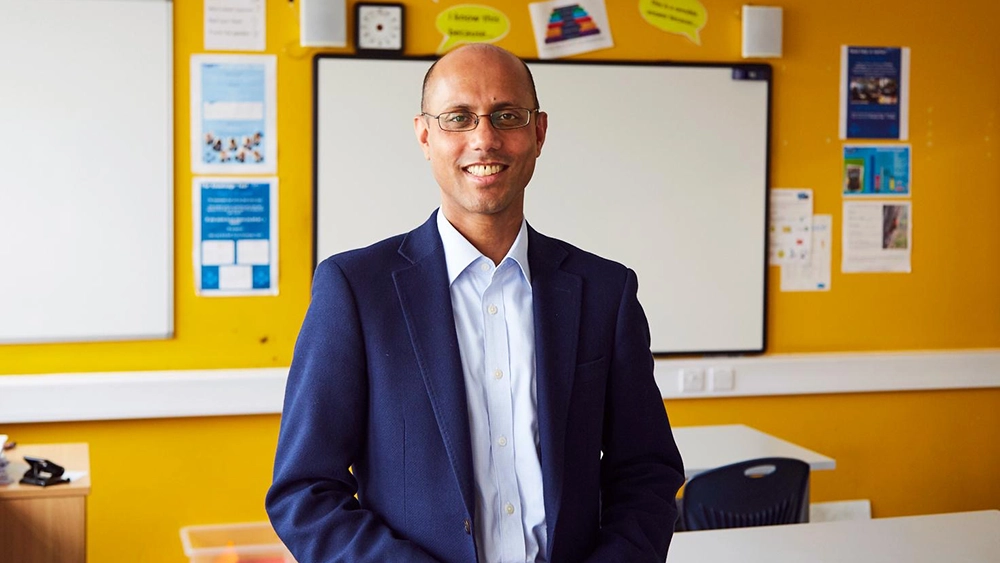
Game on: Why private equity is taking video games seriously
Clifford Chance partners Alex Walker and Shimin Lee on the growing business of video games and esports.



Contents
“I’m a gamer first and a lawyer second,” says Alex Walker, a London-based intellectual property partner at Clifford Chance, only half-seriously.
He heads the firm's global video games and esports group, advising on everything from game studio acquisitions to the commercial rights behind esports tournaments, where professional gamers compete against each other in organised video game competitions.
His colleague Shimin Lee, a private capital partner, came to the industry from a different direction.
“I followed my clients into the space,” she says.
For Lee, the growing interest in gaming among private equity investors reflects a broader shift in how the industry is viewed. What was once treated as a relatively niche part of technology and entertainment is becoming an investment category in its own right.
Private equity firms that previously covered gaming through broader TMT investment teams are now treating it as a standalone sector, says Lee.
Beyond the game
Video games are big business - Boston Consulting Group projects that global gaming revenue will reach $350 billion by 2030. The scale of the industry was on display this week with the launch of Grand Theft Auto VI, which generated an estimated $2.36 billion in pre-orders and first-day sales.
A successful video game can generate revenue far beyond its initial sales, through merchandise, film and television adaptations, licensing agreements and live events. Walker describes the industry as a “global digital ecosystem”, with intellectual property at its centre.
An investor acquiring a game studio might be interested in its flagship title, with plans to turn it into a television series or develop a merchandise business. Another might be more interested in the underlying technology, the studio's data or its development team.
Stay ahead of the City law market with our free email briefing - essential industry news and analysis, in your inbox three times a week.
Others are looking to bring together smaller studios in what remains a fragmented market.
“I don't think there is any one investment strategy for every investor,” Walker says.
Lee sees a similar diversity in the types of capital entering the sector.
The appeal is not always about finding the next blockbuster game. Some private equity funds are looking for businesses with established revenue streams, while venture capital investors may be more willing to back early-stage developers.
From teens to takeovers
There is also an enormous range of developers and businesses involved.
Walker describes advising on investments ranging from small independent games to major acquisitions of established international publishers, often working with colleagues in Asia, Europe, the Middle East or the US.
He recalls situations involving investors interested in games created by teenage developers, including content built on platforms such as Roblox. The commercial opportunity may be significant, but the legal foundations of these businesses are often less developed.
A young creator might have built something commercially valuable without registering a trade mark, establishing clear ownership of the underlying intellectual property or considering whether their work infringes someone else's rights.
For investors, these questions become important during due diligence.
“It is understanding that chain of title, where and how these IP assets were created and how the game was developed,” he says.
At the other end of the market, the firm is advising on some of the gaming industry's biggest transactions.
Clifford Chance advised on antitrust and regulatory matters relating to the $55 billion takeover of Electronic Arts, the US gaming giant behind The Sims and EA Sports FC. The acquisition by a consortium comprising Saudi Arabia's Public Investment Fund, Silver Lake and Affinity Partners closed in August.
Cross-border investing
The global nature of gaming also makes it attractive to investors.
While currency volatility and reliance on a single market can pose risks, gaming companies often generate revenues from players around the world, reducing their exposure to economic conditions in their home country.
“In gaming, it is less relevant where the company is based, but more relevant where the revenues are coming from,” Lee says.
Law Firm | Trainee First Year | Trainee Second Year | Newly Qualified (NQ) |
|---|---|---|---|
| Addleshaw Goddard | £52,000 | £56,000 | £100,000 |
| Akin | £60,000 | £65,000 | £174,418 |
| A&O Shearman | £56,000 | £61,000 | £150,000 |
| Ashurst Perkins Coie | £60,000 | £65,000 | £145,000 |
| Baker McKenzie | £56,000 | £61,000 | £150,000 |
| BCLP | £56,000 | £61,000 | £135,000 |
| Bird & Bird | £50,000 | £55,000 | £102,000 |
| Bristows | £48,000 | £52,000 | £95,000 |
| Burges Salmon | £49,500 | £51,500 | £76,000 |
| Charles Russell Speechlys | £52,000 | £55,000 | £93,000 |
| Cleary Gottlieb | £62,500 | £67,500 | £172,500 |
| Clifford Chance | £56,000 | £61,000 | £150,000 |
| Clyde & Co | £48,500 | £51,000 | £90,000 |
| CMS | £50,000 | £55,000 | £120,000 |
| Cooley | £55,000 | £60,000 | £157,000 |
| Davis Polk | £65,000 | £70,000 | £180,000 |
| Debevoise | £55,000 | £60,000 | £173,000 |
| Dechert | £55,000 | £61,000 | £165,000 |
| Dentons | £54,000 | £59,000 | £112,500 |
| DLA Piper | £55,000 | £60,000 | £140,000 |
| Eversheds Sutherland | £50,000 | £55,000 | £120,000 |
| Farrer & Co | £50,000 | £52,000 | £92,000 |
| Fieldfisher | £51,000 | £55,000 | £102,000 |
| Freshfields | £56,000 | £61,000 | £150,000 |
| Fried Frank | £55,000 | £60,000 | £175,000 |
| Gibson Dunn | £65,000 | £70,000 | £180,000 |
| Goodwin Procter | £55,000 | £60,000 | £175,000 |
| Gowling WLG | £48,500 | £53,500 | £108,000 |
| Herbert Smith Freehills Kramer | £56,000 | £61,000 | £145,000 |
| HFW | £52,000 | £56,000 | £103,500 |
| Hill Dickinson | £44,000 | £45,000 | £80,000 |
| Hogan Lovells | £56,000 | £61,000 | £145,000 |
| Irwin Mitchell | £43,500 | £45,500 | £78,000 |
| Jones Day | £60,000 | £68,000 | £170,000 |
| K&L Gates | £55,000 | £60,000 | £125,000 |
| Kennedys | £43,000 | £46,000 | £85,000 |
| King & Spalding | £62,000 | £67,000 | £175,000 |
| Kirkland & Ellis | £70,000 | £75,000 | £174,418 |
| Latham & Watkins | £60,000 | £65,000 | £174,418 |
| Linklaters | £56,000 | £61,000 | £150,000 |
| Macfarlanes | £60,000 | £65,000 | £150,000 |
| Mayer Brown | £55,000 | £60,000 | £150,000 |
| McDermott Will & Schulte | £70,000 | £75,000 | £174,418 |
| Milbank | £70,000 | £75,000 | £174,418 |
| Mills & Reeve | £46,800 | £47,000 | £84,000 |
| Mishcon de Reya | £52,500 | £57,500 | £110,000 |
| Morgan Lewis | £57,500 | £62,500 | £173,000 |
| Norton Rose Fulbright | £56,000 | £61,000 | £140,000 |
| Orrick | £60,000 | £65,000 | £170,000 |
| Osborne Clarke | £57,000 | £59,000 | £100,000 |
| Paul Hastings | £60,000 | £68,000 | £173,000 |
| Paul Weiss | £60,000 | £65,000 | £180,000 |
| Penningtons Manches Cooper | £48,000 | £50,000 | £83,000 |
| Pinsent Masons | £54,000 | £59,000 | £109,000 |
| Quinn Emanuel | n/a | n/a | £189,000 |
| Reed Smith | £55,000 | £60,000 | £135,000 |
| Ropes & Gray | £62,000 | £67,000 | £170,000 |
| RPC | £48,000 | £52,000 | £95,000 |
| Shoosmiths | £45,000 | £47,000 | £105,000 |
| Sidley Austin | £60,000 | £65,000 | £175,000 |
| Simmons & Simmons | £56,000 | £61,000 | £130,000 |
| Simpson Thacher | £65,000 | £70,000 | £178,000 |
| Skadden | £58,000 | £63,000 | £177,000 |
| Slaughter and May | £56,000 | £61,000 | £150,000 |
| Squire Patton Boggs | £50,000 | £55,000 | £110,000 |
| Stephenson Harwood | £50,000 | £55,000 | £105,000 |
| Sullivan & Cromwell | £70,000 | £75,000 | £181,000 |
| TLT | £44,000 | £47,500 | £85,000 |
| Travers Smith | £55,000 | £60,000 | £130,000 |
| Trowers & Hamlins | £50,000 | £54,000 | £90,000 |
| Vinson & Elkins | £60,000 | £65,000 | £173,077 |
| Watson Farley & Williams | £51,500 | £56,000 | £107,000 |
| Weightmans | £36,000 | £38,000 | £70,000 |
| Weil | £60,000 | £65,000 | £170,000 |
| White & Case | £62,000 | £67,000 | £175,000 |
| Willkie Farr & Gallagher | £60,000 | £65,000 | £180,000 |
| Winston Taylor | £56,000 | £61,000 | £125,000 |
| Withers | £47,000 | £52,000 | £95,000 |
| Womble Bond Dickinson | £45,000 | £47,000 | £85,000 |
Rank | Law Firm | Revenue | Profit per Equity Partner (PEP) |
|---|---|---|---|
| 1 | DLA Piper* | £3,130,000,000 | £2,500,000 |
| 2 | A&O Shearman | £2,900,000,000 | £2,000,000 |
| 3 | Clifford Chance | £2,400,000,000 | £2,100,000 |
| 4 | Hogan Lovells | £2,320,000,000 | £2,400,000 |
| 5 | Linklaters | £2,320,000,000 | £2,200,000 |
| 6 | Freshfields | £2,250,000,000 | Not disclosed |
| 7 | CMS** | £1,800,000,000 | Not disclosed |
| 8 | Norton Rose Fulbright* | £1,800,000,000 | Not disclosed |
| 9 | HSF Kramer | £1,360,000,000 | £1,400,000 |
| 10 | Ashurst | £1,030,000,000 | £1,390,000 |
| 11 | Clyde & Co | £854,000,000 | Not disclosed |
| 12 | Eversheds Sutherland | £769,000,000 | £1,400,000 |
| 13 | Pinsent Masons | £680,000,000 | £790,000 |
| 14 | Slaughter and May*** | £650,000,000 | Not disclosed |
| 15 | BCLP* | £640,000,000 | £790,000 |
| 16 | Simmons & Simmons | £615,000,000 | £1,120,000 |
| 17 | Bird & Bird** | £580,000,000 | £720,000 |
| 18 | Addleshaw Goddard | £550,000,000 | £1,000,000 |
| 19 | Taylor Wessing | £526,000,000 | £1,100,000 |
| 20 | Osborne Clarke** | £476,000,000 | £800,000 |
| 21 | DWF | £466,000,000 | Not disclosed |
| 22 | Womble Bond Dickinson | £450,000,000 | Not disclosed |
| 23 | Kennedys | £428,000,000 | Not disclosed |
| 24 | Fieldfisher | £385,000,000 | £1,000,000 |
| 25 | Macfarlanes | £371,000,000 | £3,100,000 |
What do City lawyers actually do each day?
For a closer look at the day-to-day of some of the most common types of lawyers working in corporate law firms, explore our lawyer job profiles:
The legal issues can become considerably more complicated when transactions cross borders.
In China, for example, game publishers must obtain regulatory approvals to distribute titles domestically. A change in ownership, particularly one involving a foreign investor, can raise questions about whether existing licences remain valid.
For a buyer, the risk can be significant. Acquiring a successful games studio is considerably less attractive if the deal jeopardises its ability to sell games in one of the world's largest gaming markets.
The AI question
Artificial intelligence is adding another layer of complexity to the industry, both for developers and the investors backing them.
AI tools can make game development faster and more accessible, particularly for smaller studios that might otherwise struggle to afford large teams of programmers and artists.
They also make it easier to produce games that closely resemble existing titles.
“Copycat games have been an issue since the games industry started,” Walker says.
With AI, he explains, creating similar-looking games has become easier, including products that may be just different enough to make infringement difficult to establish.
There is a corresponding risk for established studios using generative AI in their own development processes.
A company might inadvertently reproduce copyrighted material through an AI-generated character, design or other creative asset. Questions also remain about whether AI-generated content qualifies for copyright protection and, if it does, who owns it.
AI is also influencing which businesses investors consider attractive.
Lee says some private capital investors are looking more closely at sectors where the appeal of human participation makes them less vulnerable to disruption by AI.
Esports is one example. Much like traditional sport, its appeal comes partly from watching talented people compete. The global market generated an estimated $2.34 billion in revenue in 2024, according to S&P Global Market Intelligence, with that figure forecast to exceed $4 billion by 2030.
Competitive gaming has attracted major brands investing in sponsorships, broadcasting rights and live events, and has even featured at the Olympics.
Bringing esports to life
One of Walker's favourite assignments involved helping the Saudi Esports Federation launch the Esports World Cup. The project involved creating and protecting the tournament's core brands.
The tournament brought together multiple gaming titles, each with its own publishers, intellectual property rights and commercial arrangements. Organising an esports event of this scale involves negotiating licences with different rights holders and securing the necessary permissions to feature games and third-party brands.
For Walker, seeing the event come to life was particularly rewarding, given that much of his day-to-day work involves legal rights rather than physical assets.
“I work in the world of the intangible. So to finally see it become tangible, that was a really rewarding experience.”
A growing practice
Walker had worked on gaming-related matters before the pandemic, but during lockdown, his personal interest in the sector and growing client demand helped turn it into a more substantial and coordinated global client offering.
Playing games became an important way of staying connected with friends, prompting him to explore the industry's legal challenges and opportunities. He approached colleagues across different practice areas to produce a series of articles exploring issues facing the gaming industry.
The firm now has more than 50 lawyers focused on gaming-related work globally. A lawyer in the gaming group might qualify into IP, corporate, employment or competition law and still spend much of their career working with clients in the sector.
“If you want to be the best lawyer in the video games sector, you need to understand the full landscape.”
| Firm | London office since | Known for in London |
|---|---|---|
| Akin | 1997 | Restructuring, funds |
| Baker McKenzie | 1961 | Finance, capital markets, TMT |
| Davis Polk | 1972 | Leveraged finance, corporate/M&A |
| Gibson Dunn | 1979 | Private equity, arbitration, energy, resources and infrastructure |
| Goodwin | 2008 | Private equity, funds, life sciences |
| Kirkland & Ellis | 1994 | Private equity, funds, restructuring |
| Latham & Watkins | 1990 | Finance, private equity, capital markets |
| McDermott Will & Schulte | 1998 | Finance, funds, healthcare |
| Milbank | 1979 | Finance, capital markets, energy, resources and infrastructure |
| Paul Hastings | 1997 | Leveraged finance, structured finance, infrastructure |
| Paul Weiss | 2001 | Private equity, leveraged finance |
| Quinn Emanuel | 2008 | Litigation |
| Sidley Austin | 1974 | Leveraged finance, capital markets, corporate/M&A |
| Simpson Thacher | 1978 | Leveraged finance, private equity, funds |
| Skadden | 1988 | Finance, corporate/M&A, arbitration |
| Sullivan & Cromwell | 1972 | Corporate/M&A, restructuring, capital markets |
| Weil | 1996 | Restructuring, private equity, leverage finance |
| White & Case | 1971 | Capital markets, arbitration, energy, resources and infrastructure |
| Law firm | Type | First-year salary |
|---|---|---|
| White & Case | US firm | £32,000 |
| Stephenson Harwood | International | £30,000 |
| A&O Shearman | Magic Circle | £28,000 |
| Charles Russell Speechlys | International | £28,000 |
| Freshfields | Magic Circle | £28,000 |
| Herbert Smith Freehills | Silver Circle | £28,000 |
| Hogan Lovells | International | £28,000 |
| Linklaters | Magic Circle | £28,000 |
| Mishcon de Reya | International | £28,000 |
| Norton Rose Fulbright | International | £28,000 |
Law Firm | Trainee First Year | Trainee Second Year | Newly Qualified (NQ) |
|---|---|---|---|
| A&O Shearman | £56,000 | £61,000 | £150,000 |
| Clifford Chance | £56,000 | £61,000 | £150,000 |
| Freshfields Bruckhaus Deringer | £56,000 | £61,000 | £150,000 |
| Linklaters | £56,000 | £61,000 | £150,000 |
| Slaughter and May | £56,000 | £61,000 | £150,000 |
Law Firm | Trainee First Year | Trainee Second Year | Newly Qualified (NQ) |
|---|---|---|---|
| A&O Shearman | £56,000 | £61,000 | £150,000 |
| Clifford Chance | £56,000 | £61,000 | £150,000 |
| Freshfields | £56,000 | £61,000 | £150,000 |
| Linklaters | £56,000 | £61,000 | £150,000 |
| Slaughter and May | £56,000 | £61,000 | £150,000 |
Law Firm | Trainee First Year | Trainee Second Year | Newly Qualified (NQ) |
|---|---|---|---|
| Ashurst | £60,000 | £65,000 | £145,000 |
| Bryan Cave Leighton Paisner | £53,000 | £58,000 | £135,000 |
| Herbert Smith Freehills | £56,000 | £61,000 | £145,000 |
| Macfarlanes | £60,000 | £65,000 | £150,000 |
| Travers Smith | £55,000 | £60,000 | £130,000 |
| Firm | Merger year | Known for in London |
|---|---|---|
| BCLP | 2018 | Real estate, corporate/M&A, litigation |
| DLA Piper | 2005 | Corporate/M&A, real estate, energy, resources and infrastructure |
| Eversheds Sutherland | 2017 | Corporate/M&A, finance |
| Hogan Lovells | 2011 | Litigation, regulation, finance |
| Mayer Brown | 2002 | Finance, capital markets, real estate |
| Norton Rose Fulbright | 2013 | Energy, resources and infrastructure, insurance, finance |
| Reed Smith | 2007 | Shipping, finance, TMT |
| Squire Patton Boggs | 2011 | Corporate/M&A, pensions, TMT |
Law Firm | Trainee First Year | Trainee Second Year | Newly Qualified (NQ) |
|---|---|---|---|
| Ashurst | £60,000 | £65,000 | £145,000 |
| BCLP | £53,000 | £58,000 | £135,000 |
| Herbert Smith Freehills Kramer | £56,000 | £61,000 | £145,000 |
| Macfarlanes | £60,000 | £65,000 | £150,000 |
| Travers Smith | £55,000 | £60,000 | £130,000 |
Know what's moving the market
Get the free email that keeps UK lawyers ahead on the stories that matter.
We send a short summary of the biggest legal industry and business stories you need to know about three times a week. Free to join. Unsubscribe at any time.