Crosby takes lawyers out of the loop after securing $5m cover for AI agents
The AI law firm says its agents can outperform lawyers on certain tasks, and plans to hand them more substantive legal work.
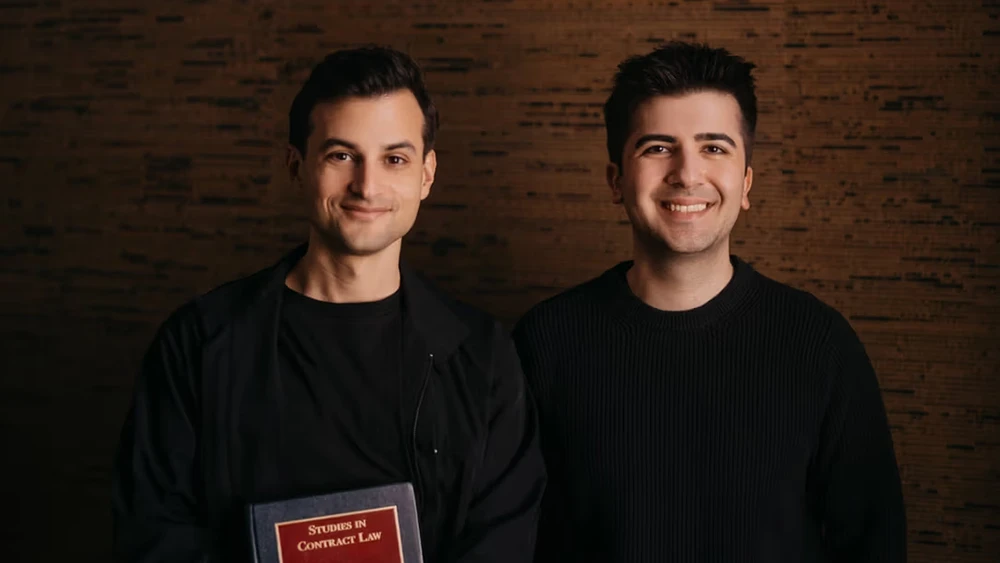
AI native law firm Crosby says a $5m insurance policy enabled it to remove lawyer oversight from tasks accounting for around 20% of its work.
The cover applies to “paralegal tasks” that the firm says do not legally require lawyer supervision.
AI law firm Crosby says it has secured a $5 million insurance policy covering its AI agents, removing lawyer oversight from around 20% of its work.
The New York-based firm said the policy gave it the backing to let agents carry out certain client-facing tasks without human review.
These are what Crosby calls “paralegal tasks”, which it says do not legally require oversight from a qualified lawyer. Its ambition is to go further if regulations adapt with the technology, which it predicts will happen in time.
Taking lawyers out of the loop
Crosby employs around 60 lawyers and has hired from firms including Kirkland, Cravath, Latham and A&O Shearman. It specialises in commercial contract reviews, offering fixed fee services and turnaround times as short as an hour for standard agreements such as NDAs.
Its existing professional liability insurance already covered work performed by its lawyers and the AI tools they supervise. The new policy covers certain tasks completed independently by its agents.
According to The New York Times, these include answering questions about documents, reformatting documents and applying predefined legal rules.
In a post announcing the policy, founder and CEO Ryan Daniels, a former Cooley associate, said Crosby had noticed around nine months ago that its agents could outperform lawyers on certain tasks.
“We needed to invent a safe way for our agents to do client-facing work without human oversight,” he wrote.
“As soon as the policy went into effect on Nov 3, we removed lawyer oversight from any task that doesn't legally require licensed attorney oversight.”
Crosby worked with Lloyd’s of London-backed insurer Testudo to secure the coverage. The insurtech launched a standalone generative AI liability product in January, and has warned that businesses may face gaps in their existing insurance coverage as AI becomes more widely deployed.
Crosby currently has roughly equal numbers of AI agents and lawyers reviewing contracts each day. By the end of 2026, it expects that ratio to reach 15 agents for every lawyer.
What could this mean for UK firms?
Crosby’s policy shows that insurers are now willing to cover at least some client-facing AI work without lawyer review. Similar insurance could give UK firms more confidence to automate work, although they would still need to meet their regulatory requirements.
The SRA’s supervision guidance says AI outputs should be “subject to appropriate human review, scrutiny and professional judgement”. In a recent warning notice, the regulator also stressed that solicitors remain accountable for their work when using AI.
AI-powered law firm Garfield was authorised by the SRA last year, with the regulator requiring it to carry professional indemnity insurance like any other regulated practice. Named solicitors remain accountable for its AI-generated work, with the technology operating under human supervision.
Similar restrictions apply in the US, where Crosby is betting that the rules will eventually change.
“This is just the beginning,” Daniels wrote. “Once regulations change, we see no reason why our agents can't do excellent legal work too.”
Join 10,000+ City law professionals who start their day with our newsletter.
The essential read for commercially aware lawyers.